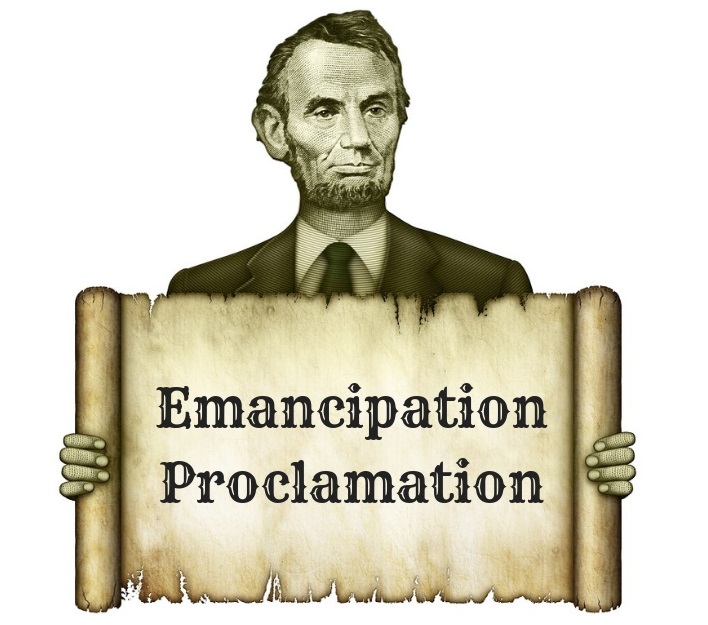
The Emancipation Proclamation, issued by President Abraham Lincoln on January 1, 1863, as a “fit and necessary war measure,” declared all enslaved people in the Confederate states currently in rebellion against the Union to be “then, thenceforward, and forever free”
Paved the way for the 13th Amendment: Recognizing that the Proclamation was a wartime measure that might not have a constitutional basis after the war, Lincoln and his allies pushed for a constitutional amendment to permanently abolish slavery nationwide. This resulted in the passage and ratification of the Thirteenth Amendment in December 1865, which outlawed slavery throughout the entire United States.
Is a Proclamation only formalized by the US Government, or President?
In church, we hear, we must proclaim Victory in ‘the’ or ‘all’ battles. Proclaim it and it is ours, knowing that battle has been fought and won. We must proclaim peace and salvation. But how do we do that if we cannot pass measures, change the law, and end our own mental slavery and other matters, such as freedom and independence.
“How beautiful on the mountains are the feet of those who bring good news, who proclaim peace, who bring good tidings, who proclaim salvation, who say to Zion, ‘Your God reigns!'”
It is good news. We are here, we are alive, and your God reigns. If my God reigned, the news would change; it has; my God reigns. The news is still bad; it rarely changes, and never speaks of him, but my God reigns and the news speaks of the rains, and not the reign because in our nation, we don’t serve under a King, in terms of Government, or Democracy, but somehow, our God reigns.
Fusce dapibus, tellus ac cursus commodo, tortor mauris condimentum nibh, ut fermentum massa justo sit amet risus. Maecenas sed diam eget risus varius blandit sit amet non magna. Donec sed odio dui. Vestibulum id ligula porta felis euismod semper.